
The Wrong Product Can Create Bigger Problems
One of the most common mistakes we see in commercial spaces is applying a sealer to concrete that actually needs hardening. On the surface, both systems sound similar. Both are designed to protect concrete. Both improve long-term performance. Both are commonly used in warehouses, commercial facilities and car parks. But they solve completely different problems. A sealer protects the surface. A densifier strengthens the concrete itself.
And using the wrong system can lead to:
- Continued dusting
- Premature wear
- Poor adhesion
- Ongoing staining
- Increased maintenance costs
- Expensive future remediation
Understanding the difference between concrete sealing and concrete densifying is critical if you want the floor to actually perform properly long term, which is why choosing expert Concrete sealing services Gold Coast is essential for achieving durable, long-lasting results.
A Concrete Sealer Protects the Surface
A concrete sealer sits within or over the surface of the concrete to help reduce:
- Oil penetration
- Water absorption
- Staining
- Surface contamination
Depending on the system used, sealers can also:
- Improve cleanability
- Enhance appearance
- Reduce moisture absorption
- Assist with ongoing maintenance
Sealers are commonly used in:
- Car parks
- Commercial driveways
- Exposed aggregate
- Warehouses
- Industrial facilities
- Strata common areas
However, a sealer does not fix weak or dusting concrete. That’s where many people go wrong.
A Densifier Changes the Concrete Itself
A concrete densifier or hardener works differently. Instead of simply protecting the surface, it chemically reacts with the concrete itself to strengthen and harden the slab internally.
This is typically used when concrete is:
- Dusting
- Weak
- Soft
- Porous
- Wearing prematurely
We commonly see this in older warehouse slabs where years of forklift traffic and constant wear have slowly broken down the surface layer of the concrete.
- Older basements
- Warehouses with forklift traffic
- Industrial facilities
- Poorly finished slabs
- High-traffic commercial areas
If the slab is already breaking down internally, sealing over the top usually won’t solve the actual issue. The concrete needs stabilising first.
Signs Your Concrete Needs Hardening Instead of Sealing
A lot of commercial clients assume all concrete problems are solved with a sealer. In reality, dusting slabs are often a structural surface issue, not just a staining issue.
Signs the slab may need densifying include:
- Fine dust constantly returning after cleaning
- Powder residue on shoes or tyres
- Forklift traffic wearing the slab quickly
- Concrete appearing soft or chalky
- Rapid surface deterioration
- Excessive porosity
This is especially common in older warehouse slabs and large commercial basements. If the concrete itself is failing, applying a sealer first can sometimes trap the issue rather than fix it.
When Concrete Sealing Is the Right Option
Concrete sealing is usually the correct solution when the slab itself is structurally sound, but needs protection from:
- Oil staining
- Tyre marking
- Moisture penetration
- General contamination
This is very common in:
- Strata car parks
- Commercial driveways
- Loading zones
- Retail facilities
- Warehouse traffic areas
A proper sealing system can make future maintenance significantly easier and help reduce permanent contamination over time.
Many Commercial Sites Need Both
In some cases, the best long-term solution is a combination approach.
For example:
- Harden/densify the slab first
- Then apply a suitable penetrating protection system
This is often beneficial in:
- High-traffic warehouses
- Logistics facilities
- Industrial sites
- Commercial basements
The goal is not just appearance. It’s long-term performance and reduced maintenance.
Why This Matters for Ongoing Maintenance
The wrong system often creates more work and cost later.
For example:
Sealing weak concrete
Can lead to:
- Continued dusting
- Coating failure
- Uneven wear
- Ongoing cleaning problems
Leaving concrete untreated
Can lead to:
- Permanent oil staining
- Dust migration
- Surface deterioration
- More aggressive future restoration works
The correct system depends on what problem the concrete is actually experiencing.
Real Commercial Outcomes Matter More Than Marketing Terms
Commercial clients generally care less about product names and more about outcomes.
Questions they usually care about are:
- Will this stop dusting?
- Will it reduce cleaning costs?
- Will it make the site easier to maintain?
- Will it reduce staining?
- Will it last?
- Will it help the presentation?
That’s why proper diagnosis matters before recommending any treatment. Because sealing and densifying solve very different problems.
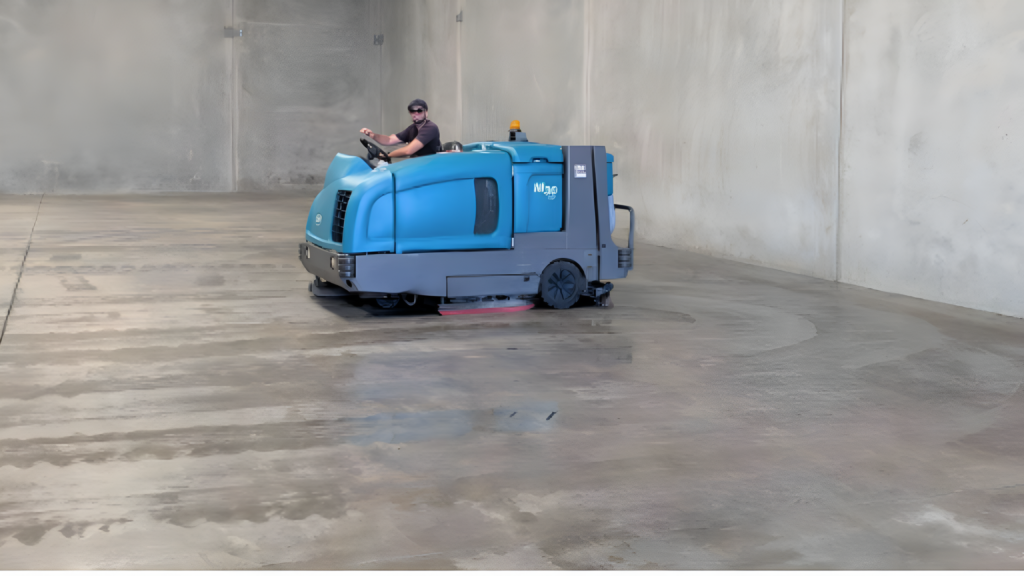
Concrete Dust-Proofing & Sealing – Gold Coast
At JC Eco Blasting, we work across:
- Commercial car parks
- Warehouses
- Industrial facilities
- Strata complexes
- Logistics spaces throughout the Gold Coast and surrounding areas.
Our approach is practical and site-specific. Some slabs simply need protection. Others need strengthening first. The key is identifying the actual issue before applying the wrong system. For effective concrete dust proofing Gold Coast, the right solution starts with the right diagnosis.
Unsure Whether Your Slab Needs Sealing, Hardening or Both?
We can assess:
- Whether the slab is dusting
- Existing surface condition
- Oil contamination
- Porosity
- Maintenance issues
- Whether sealing, densifying or both are the better long-term solution
Because applying the wrong system is often where expensive remediation starts.
Conclusion
Choosing the right treatment is key to long-term concrete performance. Whether your floor needs sealing, densifying, or both, JC Eco Blasting provides trusted Concrete Sealing Services Gold Coast businesses rely on, including expert concrete dust proofing Gold Coast solutions for warehouses, car parks and commercial facilities.
Frequently asked questions
What is the difference between a concrete sealer and a concrete densifier?
A concrete sealer protects the surface from stains, moisture and contamination, while a densifier strengthens the concrete internally to reduce dusting and wear.
Can concrete sealing stop concrete dusting?
Not always. If the concrete is weak or deteriorating, densifying is often required before sealing to properly address dusting issues.
What is concrete dust proofing?
Concrete dust proofing involves treating concrete with a hardener or densifier to reduce surface dust and improve durability.
When should I choose concrete sealing instead of densifying?
Concrete sealing is best for sound slabs that need protection from oil, water, tyre marks and general contamination.
Can warehouses benefit from concrete dust proofing?
Yes. Concrete dust proofing helps warehouses reduce dust, improve floor durability and lower ongoing maintenance costs.
Is it possible to use both a densifier and a sealer?
Yes. Many commercial floors benefit from densifying first and then sealing for maximum strength and protection.
Do you provide concrete sealing services on the Gold Coast?
Yes. We provide professional Concrete Sealing Services Gold Coast businesses trust for warehouses, car parks, industrial facilities and commercial properties.
Ready to protect and restore your property?
From stone and concrete sealing to pressure cleaning and soft washing, JC Eco Blasting uses environmentally-safe methods to get results that last.
- Eco-friendly, low-pressure methods
- Residential, commercial & industrial
- Site-specific assessment, not one-size-fits-all

